All Categories
Featured

2026 Sector Predictions for US Brands
Table of Contents
You've identified that your primary rivals provide feature-rich platforms, however with steep learning curves and enterprise-level rates. If your item is intuitive, fast to onboard, and significantly more economical, this becomes your core placing. By highlighting simpleness and accessibility in your messagingwhile preserving the best cost pointyou take space in the market that others have actually overlooked.
It's a consistent procedure that feeds straight into item innovation, rates technique, customer experience, and brand interactions. As strategist Jay Abraham observed, "Your competitors can teach you whatever you need to understand about your own clients." By evaluating both your position and theirs, you develop a clearer, more actionable roadmap for sustainable growth.
It's a fitting pointer that research is just as important as the decisions it shapes. After determining your competitors and examining your position in the market, the next action is to establish a clear, actionable roadmap that moves your brand name forward. A reliable competitive analysis strategy doesn't end with observationit culminates in application.
If your analysis exposes a pricing gap that puts you at a drawback, this might become your very first point of correction. If a new audience section reveals indications of high potential, you may choose to move messaging or release a targeted campaign to reach them straight. Next, translate those concerns into quantifiable objectives.
Analyzing Marketing Success Benchmarks
Rather, define what success looks like. This might indicate raising brand name awareness by improving your share of voice on social media, increasing product trial rates by 20% over the next quarter, or improving your client satisfaction score by 2 points on a confirmed rating system. Appointing responsibility is similarly essential.
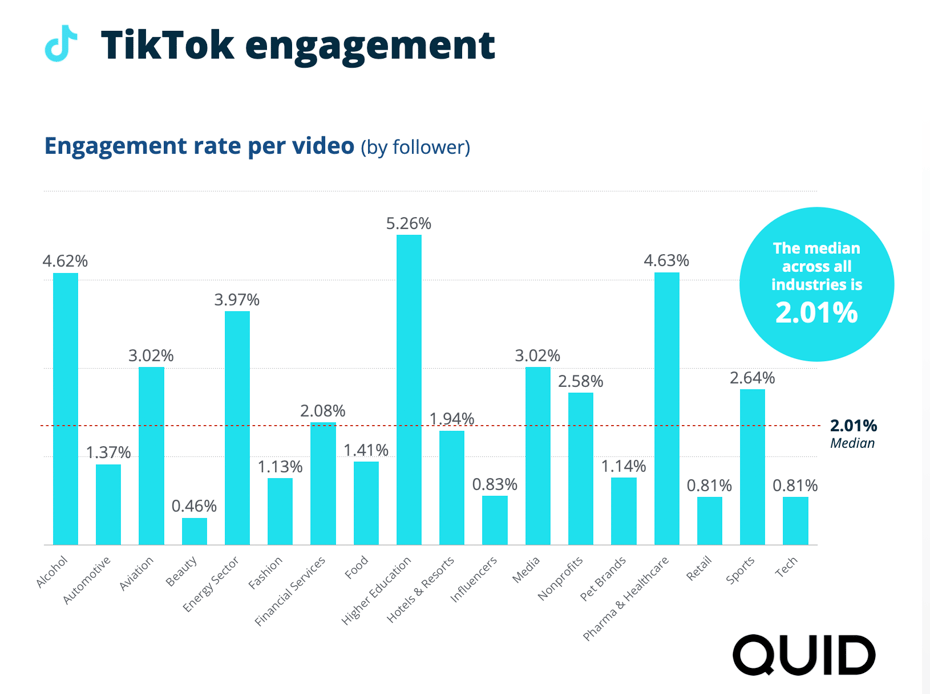
[target1:anchor_exact1]Is product development in charge of constructing out new features that fulfill unmet client requirements? While agility is vital, your strategy also requires consistency.
Instead, develop regular evaluation cycles to assess efficiency and fine-tune your approach. This helps you preserve focus while remaining responsive to changing dynamics in the market. Above all, keep your strategic lens large. A great action plan does not just react to existing obstacles. It expects what's next, drawing from trends discovered throughout competitive market research study.
The insights you have actually gathered must not remain in decks and dashboardsthey should show up in your messaging, your pricing, your product roadmap, and eventually, your market efficiency. Markets shift quickly, brand-new entrants emerge with disruptive models, and client expectations continue to develop.
Companies that treat it as an ongoing process are much better positioned to prepare for change, area market gaps early, and respond with dexterity. Tracking your rivals frequently allows you to spot patterns across their prices strategies, product advancements, and go-to-market messaging. Keeping an eye on these changes helps your team prevent surpriseswhether that's an abrupt rate drop, a product feature leap, or a new campaign that shifts client belief.
Proven Business Success Stories
Frequent rival analysis also uncovers chances to lead. It helps you tweak your own marketing and positioning based on real-world data, not assumptions. It can reveal underserved segments, emerging industry trends, and even potential partnerships. Done right, it keeps your technique vibrant and data-informed. To make competitive research sustainable, services ought to build a tracking system into their operations.
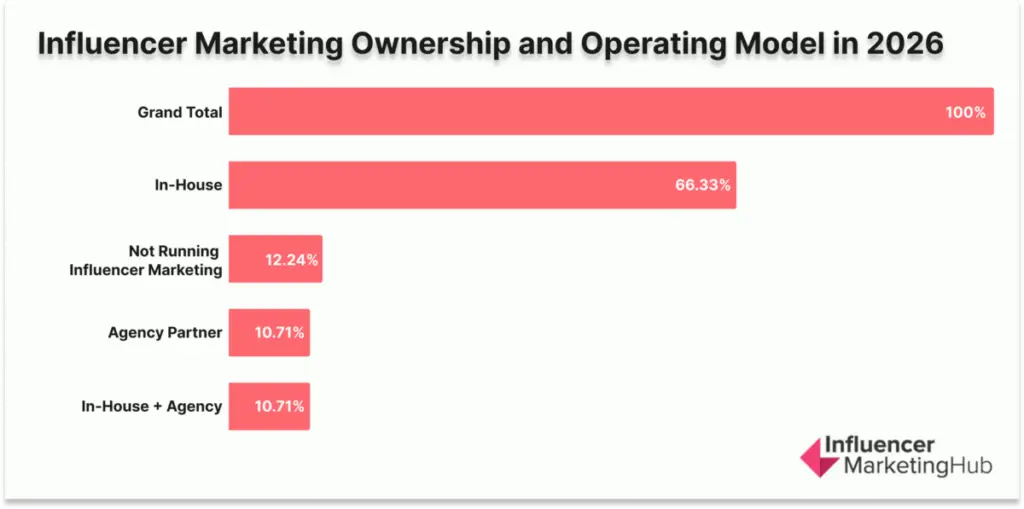
[target2:anchor_exact1]
A number of toolslike SEMrush, Similarweb, and Sprout Socialcan assistance automate parts of the process, but the insights still require to be interpreted through your company's tactical lens. For business running in fast-evolving sectors like tech, energy, or travel, the cadence of competitive reviews might be month-to-month or even continuous. For those in more stable sectors, a quarterly deep dive might be adequate.
The expense of missed signals in a crowded market can be high. The battle in between Airbnb and the worldwide hotel industry provides among the clearest illustrations of how competitive analysisor the absence of itcan shape market results. When Airbnb released in 2008, it didn't look like a risk. It placed itself as a community-based travel platform offering inexpensive remain in local homes.
Let's break this down utilizing a simplified for each side. Lower costs for travelers compared to lots of hotels.
Side-by-Side Study On the United States Marketing Benchmarks
Strong personalization through user profiles, evaluations, and suggestions. Global scalability powered by a digital-first, mobile-native experience. Brand name recognition and trust, specifically for organization and high-end travelers.

Latest Posts
Current Marketing Reports for Modern Businesses
Evidence-Based Marketing Solutions for US Markets
Identifying Economic Segments Across the US