All Categories
Featured

Documented Business Success Narratives With Verified Outcomes
Table of Contents
Marketing has never ever been a static discipline. As we move into 2026, the pace of change is no longer driven by fancy new platforms or viral methods. Instead, growth is significantly formed by how well services comprehend their customers, structure their marketing systems, and link every tactic back to measurable company results.
Marketing Trends for 2026: Development Is Built on Connected Systems, Not Separated Techniques One of the most essential modifications heading into 2026 is a move away from disconnected marketing activities. Pressing content out on social networks, sending a periodic e-mail blast, or running advertisements without a bigger picture strategy typically causes irregular results.
A linked system typically includes: A clear entry point (ads, search, recommendations, social, events) An approach for catching contact details Continuous education and nurturing A clear conversion course Follow-up and retention touchpoints Rather of asking, "What should we attempt next?" organizations are asking, "How doesmarketing fit into our total growth engine?" This shift minimizes squandered effort andincreases the return on every marketing activity.
[target1:anchor_exact1]First-partyinformation you collect directly from your customers and prospects ends up being thefoundation of marketing success. This consists of: Email addresses Phone numbers Site behavior through analytics and comparable tools Purchase history Query forms Study actions Why this matters for expanding your consumer base: First-party information allows you to communicate directly with people who have actually currently shown interest.
How Predictive Modeling Will Shape ROI for 2026
Companies that actively grow and handle their contact lists tend to see: Lower client acquisition expenses Higher retention rates More repeat business Collecting data is no longer optional. It is facilities. And as an owned possession (one you do not need to pay to utilize, unlike marketing), there is a clear financial incentive to tap this resource.
In 2026, growth-oriented organizations are focusing on mapping and connecting the whole consumer journey. In 2026, established small organizations can't manage to think where they are losing prospective clients. Search engine optimization remains a major consumer acquisition channel, but the technique is changing.
Why Data-Backed Industry Solutions Matter Now
Expert system tools are now typical across marketing platforms. However, the most effective businesses use AI to speed up execution, not change humandecision-making. Common efficient usages include: Preparing details and very first variations of material Generating multiple headline variations Summing up data and reports Repurposing content into different formats What still requires human oversight: Brand voice Messaging concerns Offer development Client understanding Fact examining AI helps groups utilizing it move faster, however strategy remains human-led.
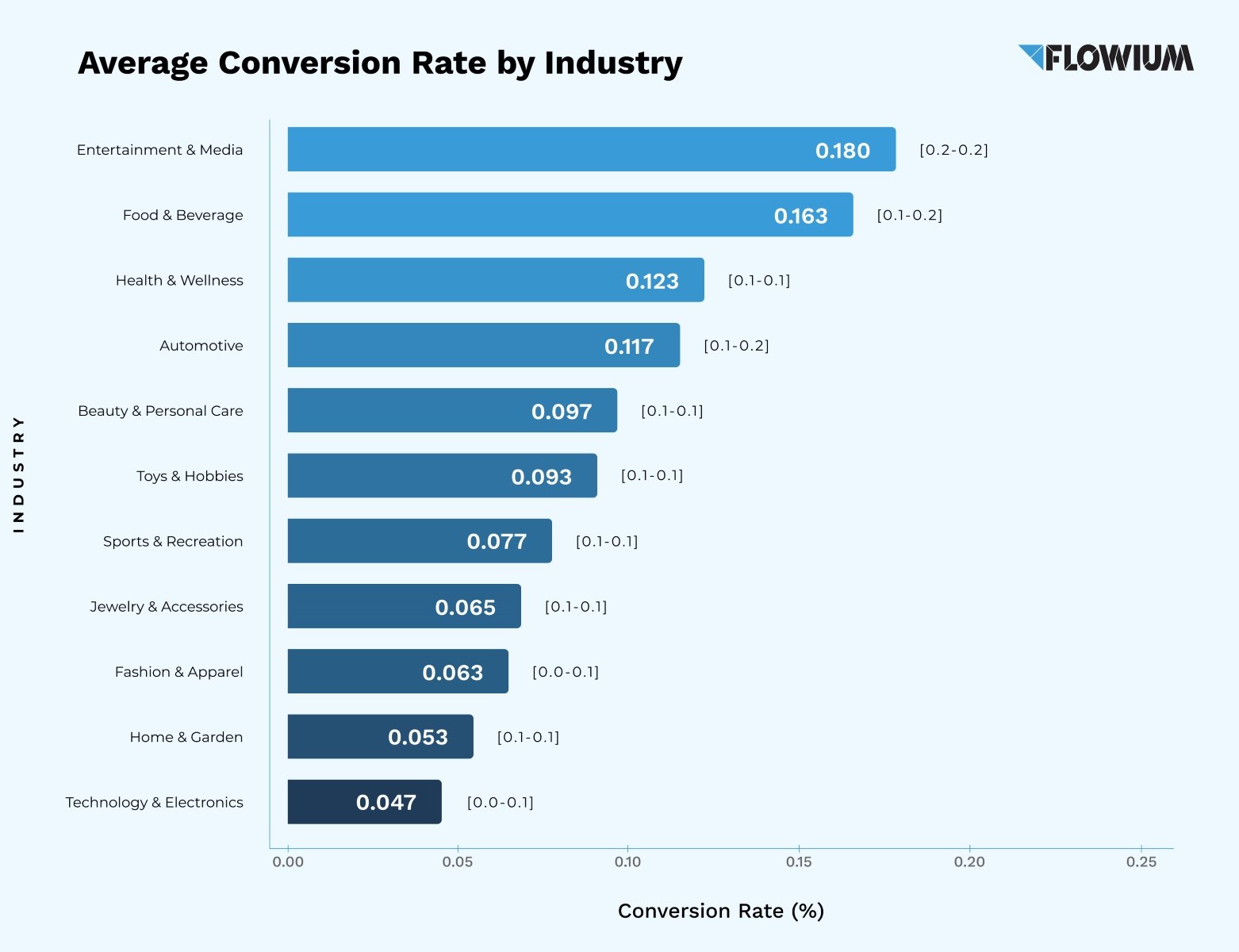
Rather of just attempting to bring in more visitors, companies are enhancing: Landing page design Headline clarity Calls to action Type length Page load speed Mobile experience Even little improvements in conversion rate can considerably increase revenue without increasing ad invest or content volume. Example: If 1 out of 100 visitors transforms, improving that to 2 out of 100 doubles outcomes with the same traffic and the exact same advertisement spend.
Customers are more cautious than ever. Before reaching out or acquiring, they search for proof. Efficient trust signals consist of: Online reviews Reviews with specifics Case research studies Photos or videos of work Accreditations and associations Media discusses These aspects reduce viewed threat and reduce the time it takes somebody to feel comfy calling you.
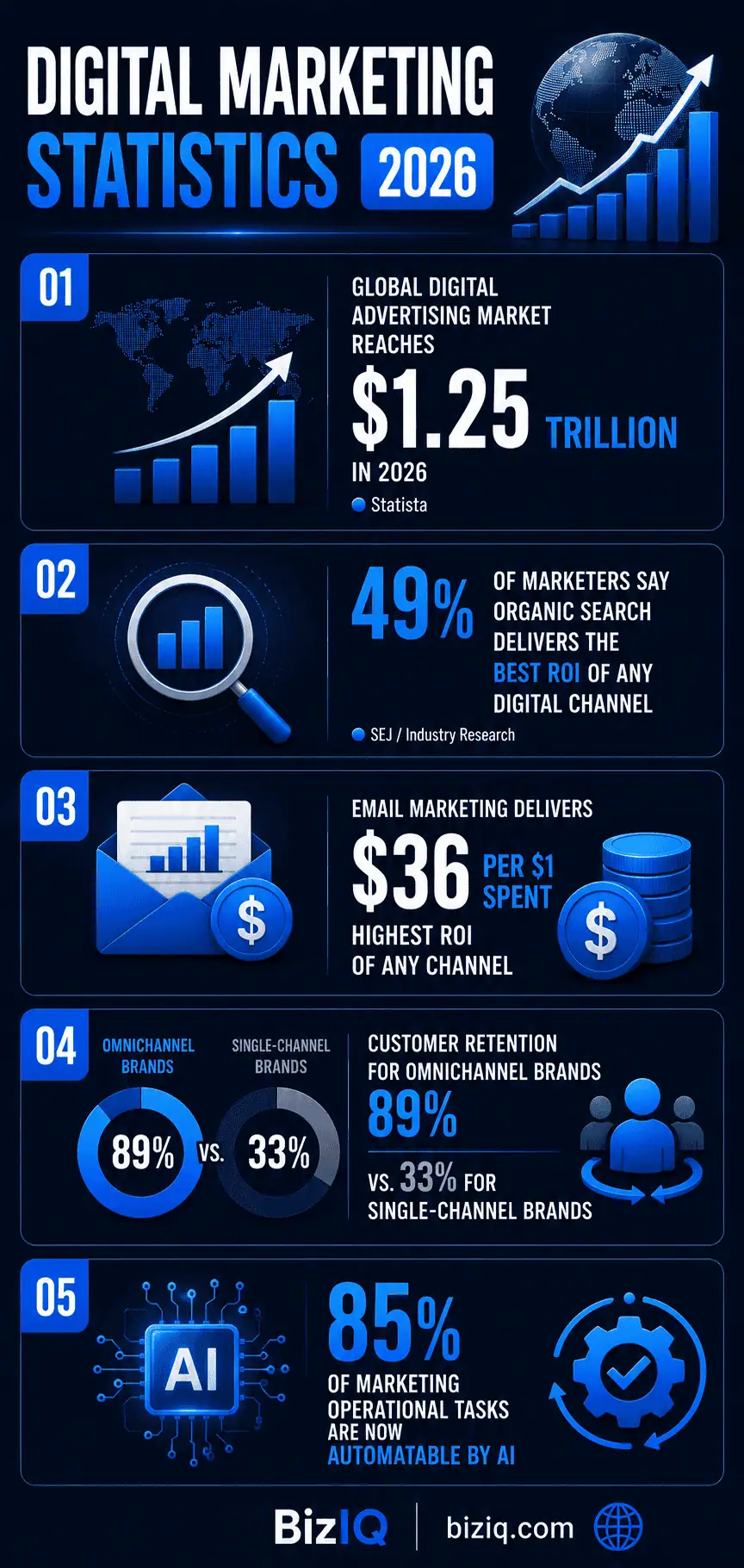
One review assists. Fifty regularly favorable reviews transform perception. Email is no longer simply for newsletters or promos. In 2026, high-performing businesses use email as: An onboarding channel for brand-new leads An education platform A retention tool A reactivation mechanism Automation plays a significant function. Typical automated series consist of: Invite series Educational nurture series Follow-up after inquiry Post-purchase assistance Re-engagement for non-active contacts This guarantees every prospect gets constant interaction regardless of staff capability.
Maximizing PPC and Content ROI Via 2026 Strategies
Effective ads in 2026 concentrate on value-first deals, such as: Free assessments Guides Webinars Consultations Samples or trials These deals allow prospects to experience worth before making a larger commitment. Paid ads end up being entry points into a relationship rather than immediate sales pushes. Expanding your client base does not only indicate obtaining new clients.
It's simpler and more economical to keep a consumer than win new ones. Marketing in 2026 is no longer determined only by impressions or likes. It is (or should be) determined by: Leads generated Conversion rates Profits produced Return on advertisement invest (ROAS) Client lifetime value increases This shift needs better positioning between marketing and total organization objectives.

Latest Posts
Essential Strategies for Optimizing Sales Performance

Reviewing Your Industry Strategy
Scalable Industry Solutions for Optimized Output