All Categories
Featured

How Operational Efficiency Becomes Critical for Firm Scaling
Table of Contents
Automation and Performance Enhancements Automation can significantly increase both marketing and sales efficiency, maximizing groups to concentrate on high-impact activities. Marketing Operations plays a vital function in implementing and optimising automation tools, such as CRM combinations, automated e-mail marketing workflows, and data syncing. By getting rid of repeated jobs, Marketing Operations allows teams to be more productive and responsive.
When lead data is tidy and precise, leads are correctly assigned, and automation supports sales outreach, sales teams can invest more time closing offers and less time on administrative tasks. By decreasing friction in the sales procedure, Marketing Operations helps improve win rates, lower the time to close, and ultimately drive greater income.
Here I point out a few: Missed Profits Opportunities: Without reliable lead scoring, leads might go unqualified or remain stuck in the pipeline, leading to missed out on revenue opportunities. Inefficient Procedures: A lack of automation and optimised workflows can lead to time-wasting manual tasks, lowering the performance of both sales and marketing groups.
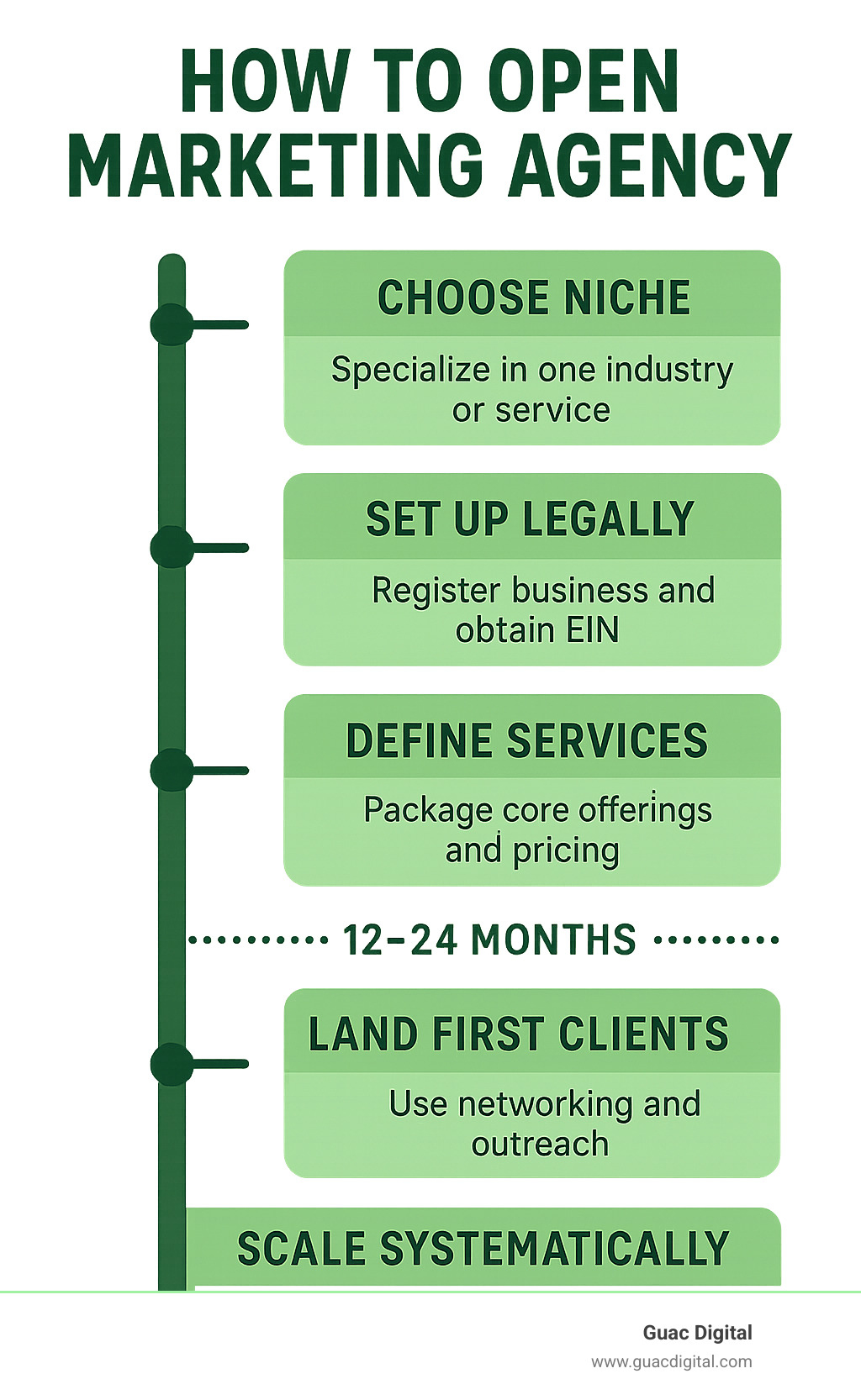
[target1:anchor_exact1]Maximizing Agency Profit Margins With Workflow Efficiency
Inability to Scale: For high-growth companies, scaling without strong Marketing Operations is very tough. Effective Marketing Operations produces the facilities that enables companies to grow while maintaining effectiveness. Source: McKinsey & Business You might question how I convince my CEO or CMO to investe in Marketing Operations? Tech leaders need to consider the long-lasting advantages.
Here's how to frame the case: Highlight the ROI: Stress that a well-funded Marketing Operations group can increase sales effectiveness, reduce the sales cycle, and improve campaign effectivenessall resulting in higher ROI on marketing and sales financial investments. Measure Potential Gains: Usage metrics like increased lead conversion rates, reduced time-to-close, and higher sales velocity to quantify the effect of an optimised Marketing Operations function.
Highlighting market criteria can illustrate the competitive benefit. Address Scaling Needs: For companies with ambitious growth objectives, Marketing Operations provides the scalable facilities to meet revenue targets, handle data, and coordinate campaigns throughout areas. Reflecting on my own experiences, I can state without a doubt that Marketing Operations is among the most impactful yet ignored functions in every SaaS company! For any organisation on a development course, buying Marketing Operations drives efficiency, supports sales objectives, and maximises the effect of every marketing effort.
Driving Firm Net Margins Through Operational Efficiency
Purchasing this group isn't just a cost, it's a strategic choice that lines up with business objectives and empowers business to grow smarter and much faster. For tech leaders, Marketing Operations may simply be the secret weapon to transforming both marketing and sales into quantifiable, scalable success.
Bakh, E. (2023) What Is Consumer Assistance Benchmarking & Why Does It Matter? Benchmarking: An International Journal, 6, 254-268. New York: McGraw-Hill.
C. (2006 ). Benchmarking: The Browse for Market Best Practices that Cause Superior Performance (first edition). Efficiency Press. Harper, M. (2019) What are the Four Kinds Of Benchmarking? American Performance & Quality Center. Handled September 2024 from Mahr, N. (2023) Market Share. Significance, Advantages & Impact. Research study. Handled December 2024 from Mann, R.
( 2010 ). International Survey on Business Improvement and Benchmarking. Global Benchmarking Network. Mukherjee, R. (2024) Finest criteria software of 2025. TechRadar. Handled November 2024 from Oakland, J. S. (2014 ). Overall Quality Management and Operational Quality: Text with Cases. London: Routledge. doi: Spendolini, M. (1992 ). The Benchmarking Book. New York City: Amacom.
Expert Advisory to Improve Business Workflows
Harvard Organization Evaluation. Harvard Company Review. Effective benchmarking: discovering from the finest.
Operational Quality Structure: Success in marketing operations requires mastering four core pillars, innovation, information, team functions, and optimised workflowsall collaborating to deliver measurable results. Strategic Innovation Positioning: Choosing and incorporating the right marketing technology stack improves automation abilities, guarantees data precision, and supports long-term scalability. Clear Function Definition: Distinct group functions make it possible for accountability, foster cross-functional cooperation, and enhance campaign execution.
Optimizing Agency Margins Via Better Planning
Centralised Data Management: Cohesive information strategies allow actionable analytics that drive more intelligent decision-making and improved project efficiency. Continuous Enhancement Culture: Regular evaluation and improvement of marketing operations processes make sure flexibility to emerging difficulties and technologies. Automation Execution: Strategic automation minimizes manual jobs, developing more time for high-value strategic initiatives and innovation.
Failing to execute reliable operations results in predictable obstacles: Squandered resources on disconnected efforts Misaligned goals throughout teams Missed market opportunities due to slow execution Failure to measure real marketing impact Problem scaling effective campaigns By contrast, well-designed marketing operations optimise processes, incorporate technological capabilities, and empower teams to make smarter, quicker decisions that scale with company growth.
Establishing world-class marketing operations needs dealing with 4 important pillars: processes, innovation, data, and people. When these components work in harmony, they allow seamless project execution, insightful measurement, and constant optimisation. For any marketing group, well-defined processes form the foundation for sustainable operational performance. Even with sophisticated tools or top-tier skill, an absence of standardisation develops friction points that undermine efficiency.
Workflow Mapping: Begin with a detailed audit of existing workflows associated with campaign production, lead management, and reporting. Use visualisation tools like Miro or Lucidchart to determine ineffectiveness and redundancies. Automation-Driven Improvements: Get rid of recurring jobs through marketing automation platforms such as HubSpot, Marketo or Pardot. According to Forrester Research study, marketing automation minimizes marketing overhead by 12.2% while increasing sales productivity by 14.5%.
Efficiency Measurement Systems: Establish clear KPIs for each procedure to allow continuous examination and refinement. Case Research Study: Process Improvement at Vodafone UK Vodafone UK reorganized their campaign development process by carrying out standardised workflows and approval systems. This transformation decreased project launch time by 40% and increased campaign compliance from 76% to 98%, demonstrating how process standardisation straight affects business outcomes.
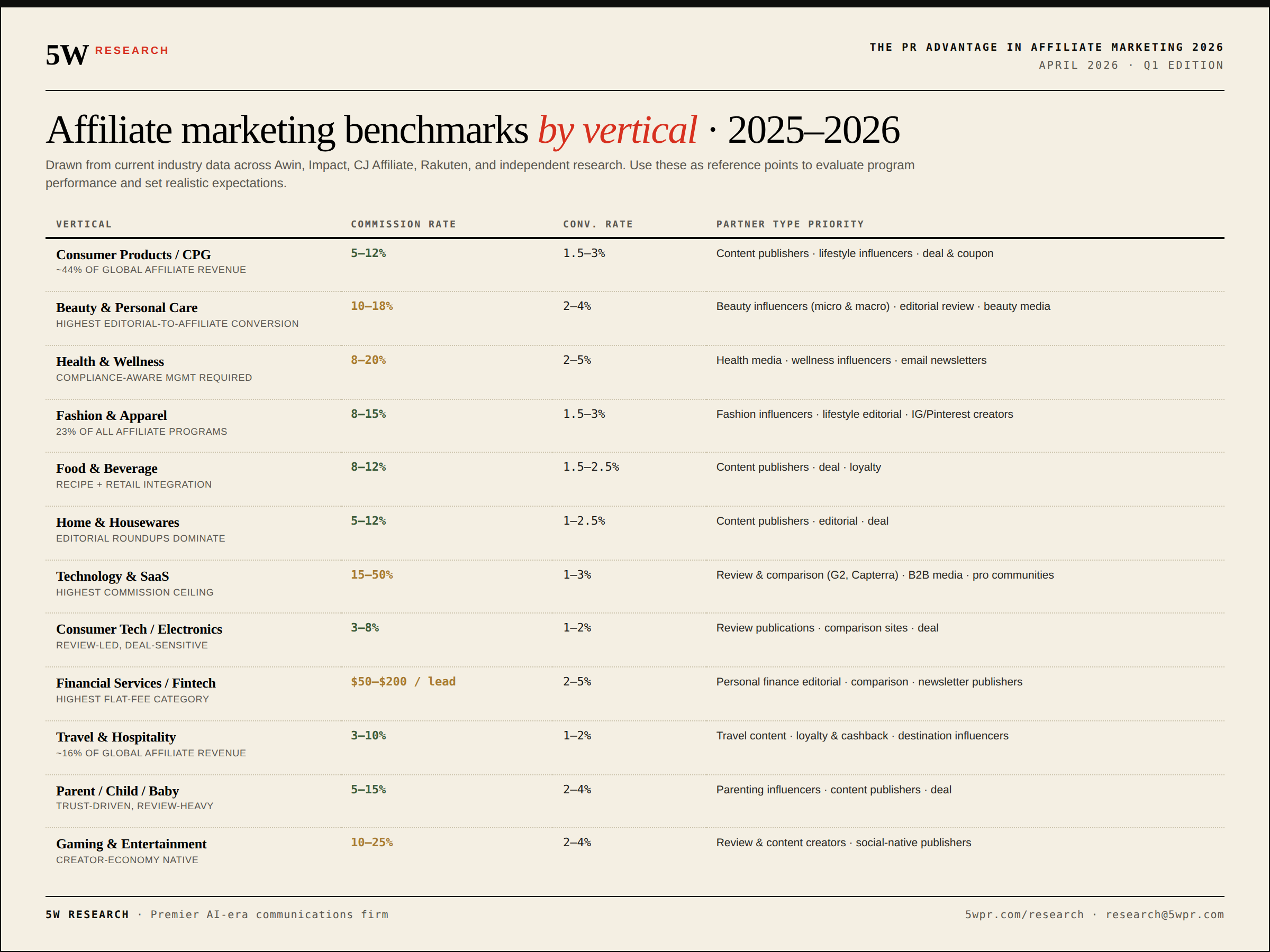
Comparing Legacy Workflows Against 2026 Agency Models
Modern marketing is naturally technology-dependent. When developing your stack, focus on platforms that boost efficiency and deepen insights: Campaign Management: Systems such as Salesforce Marketing Cloud, Oracle Eloqua, and HubSpot simplify CRM integration and enable omnichannel project coordination.
Task Management: Solutions like Asana, or ClickUp coordinate team activities and track deliverables. Disconnected tools lead to fragmented data and hinder partnership.
Addressing this combination obstacle yields considerable advantages, as shown by business like Dell, where integrating their CRM system with other marketing tools resulted in an 18% enhancement in lead-conversion rates through more targeted, data-informed projects. Increasing your tech stack needs consistent training efforts focused on skill-building and function optimisation. Setting adoption metrics connected to organization outcomes increases accountability and ROI from technological investments.

Latest Posts
Essential Strategies for Optimizing Sales Performance

Reviewing Your Industry Strategy

Scalable Industry Solutions for Optimized Output