All Categories
Featured


Tracking Marketing Performance Benchmarks
Table of Contents
You've recognized that your primary rivals use feature-rich platforms, however with steep learning curves and enterprise-level rates. If your item is instinctive, fast to onboard, and substantially more cost effective, this becomes your core placing. By highlighting simpleness and accessibility in your messagingwhile maintaining the ideal price pointyou carve out space in the market that others have neglected.
It's a continual procedure that feeds directly into product development, pricing method, customer experience, and brand interactions. As strategist Jay Abraham observed, "Your rivals can teach you whatever you require to know about your own consumers." By evaluating both your position and theirs, you develop a clearer, more actionable roadmap for sustainable development.
It's a fitting tip that research study is only as important as the decisions it forms. After identifying your competitors and evaluating your position in the market, the next step is to develop a clear, actionable roadmap that moves your brand name forward. A reliable competitive analysis method does not end with observationit culminates in implementation.
If your analysis exposes a pricing gap that puts you at a downside, this may become your very first point of correction. If a new audience sector shows signs of high potential, you may choose to move messaging or introduce a targeted project to reach them directly. Next, equate those concerns into quantifiable objectives.
Mapping Market Sectors for 2026
Instead, specify what success appears like. This may indicate raising brand name awareness by enhancing your share of voice on social media, increasing product trial rates by 20% over the next quarter, or enhancing your client complete satisfaction rating by two points on a validated score system. Appointing accountability is similarly essential.
[target2:anchor_exact1]Is item development in charge of constructing out new functions that meet unmet client requirements? While dexterity is vital, your technique likewise needs consistency.
Instead, produce regular evaluation cycles to evaluate efficiency and fine-tune your method. This helps you keep focus while staying responsive to altering dynamics in the market. Above all, keep your tactical lens large. A good action strategy doesn't just react to present challenges. It expects what's next, drawing from trends discovered throughout competitive market research.
The insights you've collected need to not stay in decks and dashboardsthey must reveal up in your messaging, your prices, your item roadmap, and ultimately, your market efficiency. Markets shift rapidly, brand-new entrants emerge with disruptive designs, and customer expectations continue to progress.
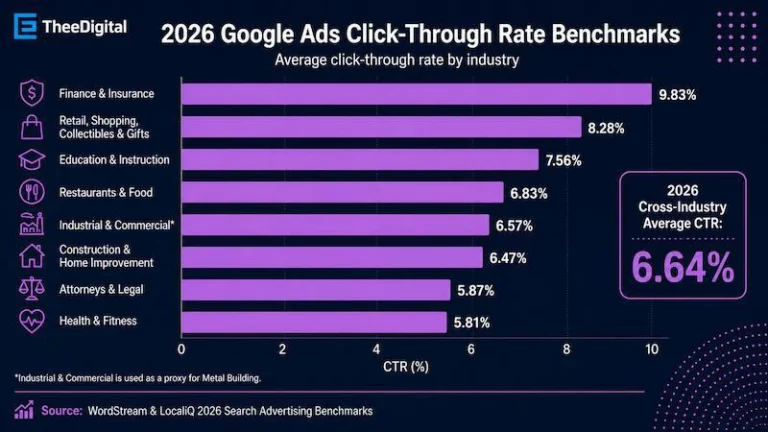
Business that treat it as a continuous procedure are better placed to expect modification, spot market spaces early, and react with dexterity. Tracking your competitors frequently allows you to detect patterns throughout their prices techniques, item developments, and go-to-market messaging. Keeping an eye on these modifications helps your group prevent surpriseswhether that's an unexpected price drop, a product function leap, or a brand-new project that moves customer belief.
Analyzing Marketing Success Metrics
Frequent rival analysis also reveals chances to lead. It assists you tweak your own marketing and placing based upon real-world data, not assumptions. It can reveal underserved sectors, emerging industry patterns, and even prospective partnerships. Done right, it keeps your method vibrant and data-informed. To make competitive research sustainable, companies must construct a tracking system into their operations.
[target1:anchor_exact1]Numerous toolslike SEMrush, Similarweb, and Sprout Socialcan aid automate parts of the procedure, however the insights still need to be analyzed through your business's tactical lens. For companies running in fast-evolving sectors like tech, energy, or travel, the cadence of competitive reviews might be month-to-month or perhaps constant. For those in more stable sectors, a quarterly deep dive may be enough.
The cost of missed signals in a crowded market can be high. The fight in between Airbnb and the international hotel industry provides among the clearest illustrations of how competitive analysisor the lack of itcan shape market outcomes. When Airbnb released in 2008, it didn't look like a threat. It placed itself as a community-based travel platform offering budget friendly remain in local homes.
Let's break this down using a simplified for each side. Lower costs for tourists compared to numerous hotels.
Utilizing Advanced Marketing Models
Strong customization through user profiles, evaluations, and recommendations. Global scalability powered by a digital-first, mobile-native experience. Brand recognition and trust, specifically for business and high-end tourists.

Latest Posts
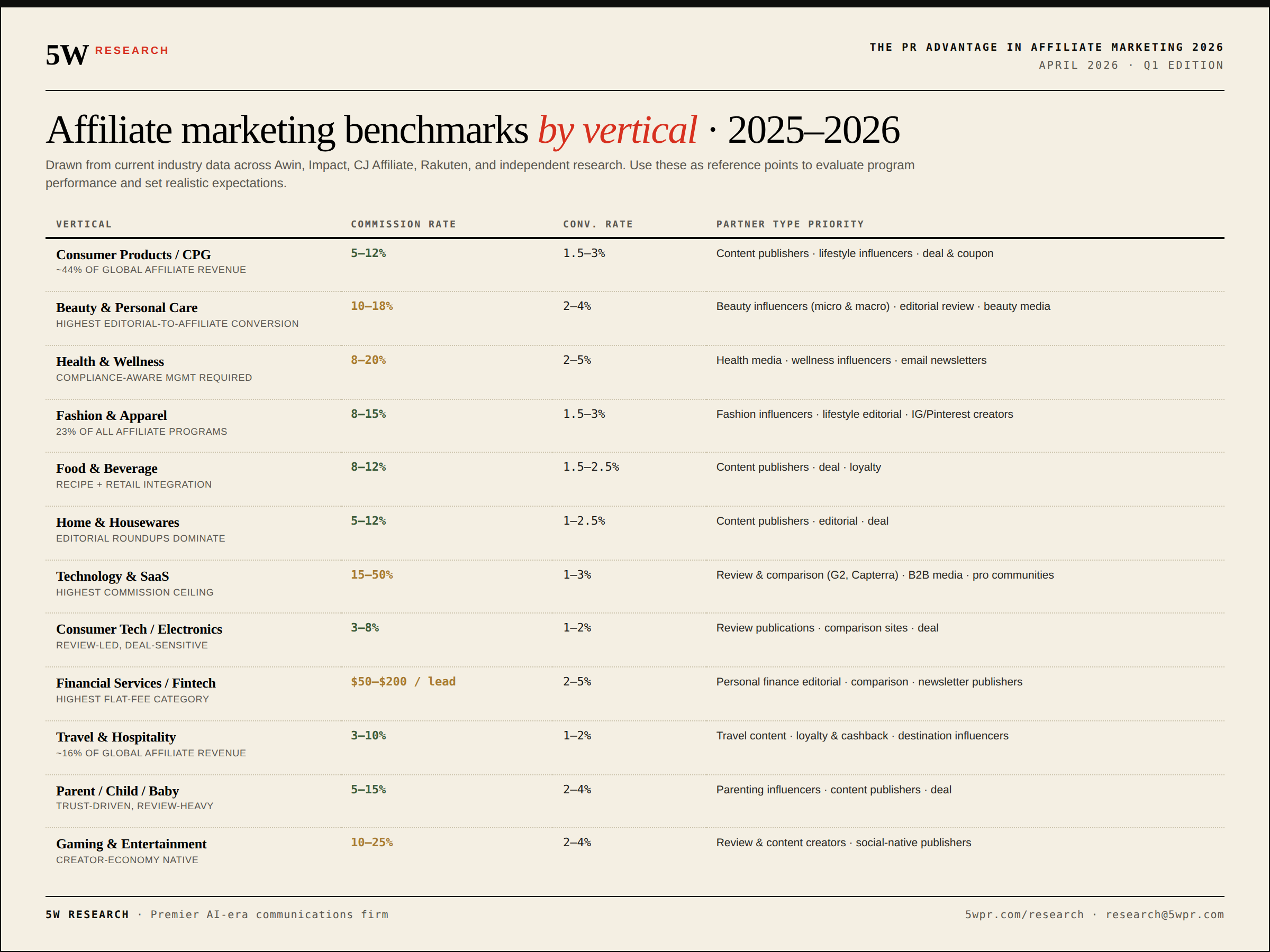
Essential Strategies for Optimizing Sales Performance

Reviewing Your Industry Strategy
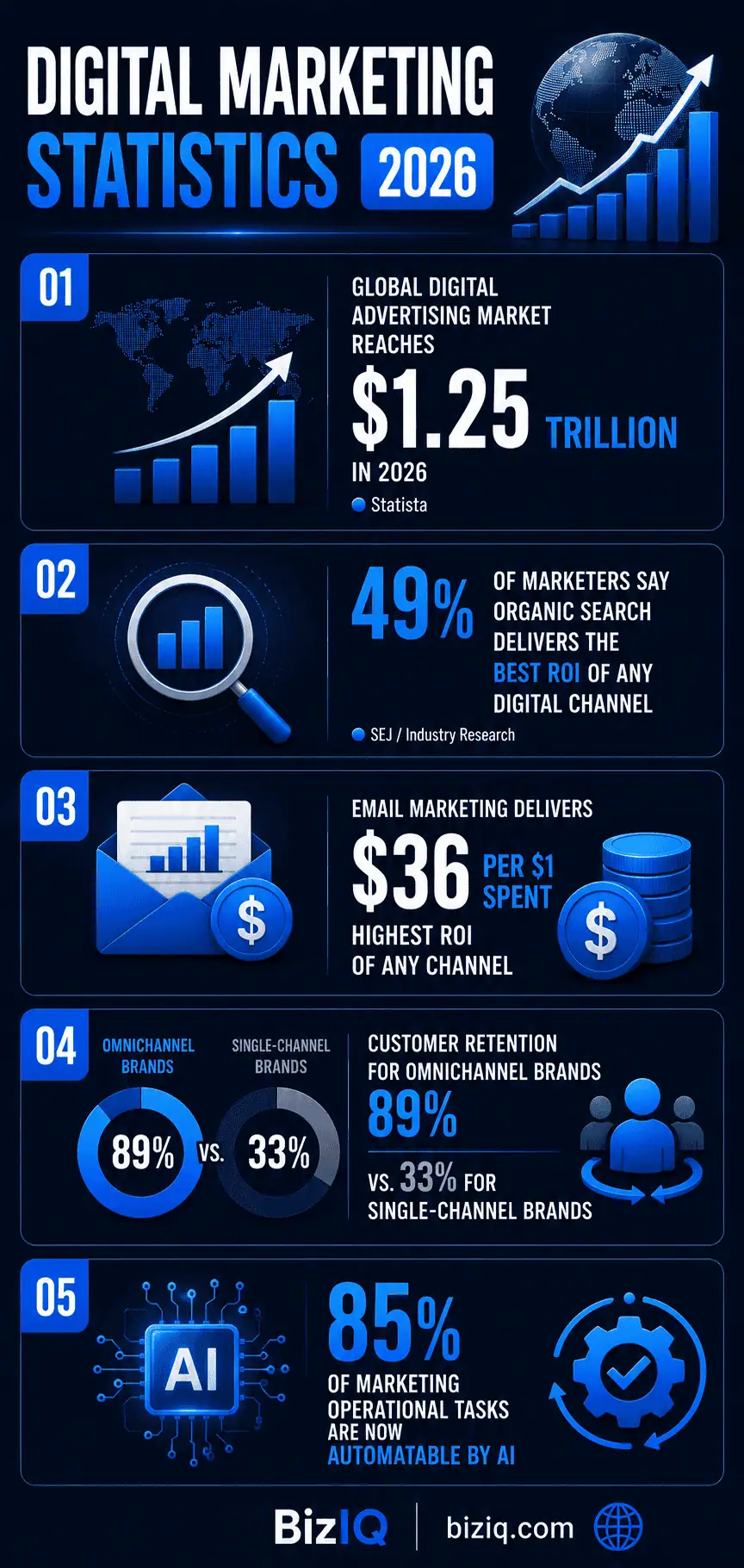
Scalable Industry Solutions for Optimized Output